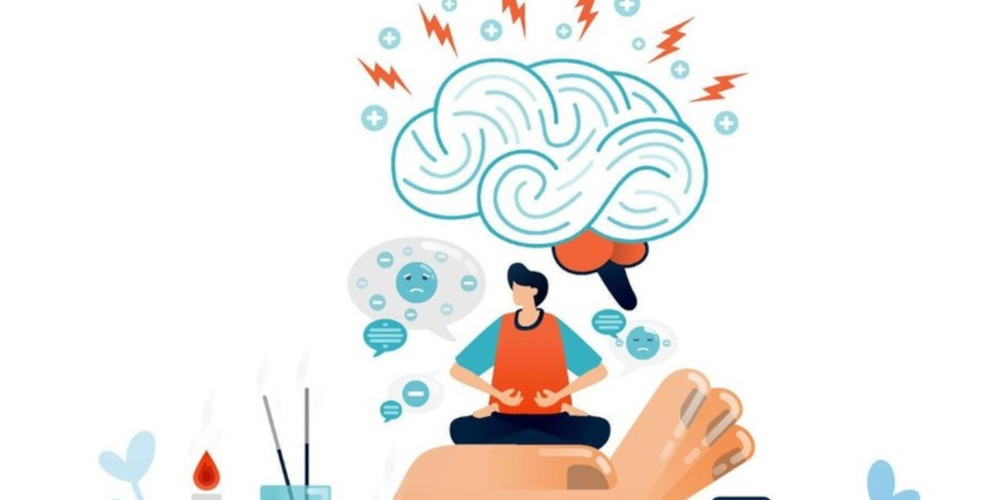
The Emotional Load No One Calculates
South Africans carry more psychological weight per day than most people acknowledge. The country’s emotional pressure cooker is a mix of financial uncertainty, safety concerns, political stress, family responsibilities, workplace instability, unresolved trauma, and the constant expectation to “make a plan”. People push through chronic stress as if it’s normal, but chronic stress is not normal, it is corrosive. It chips away at mental health slowly, quietly, and efficiently until the person starts slipping without understanding why.
When the emotional load builds without relief, symptoms of anxiety, depression, bipolar disorder, trauma, and burnout become more severe. The problem is that many South Africans don’t recognise the signs early because pressure is seen as part of life. They believe they should endure, push harder, and stay tough rather than seek psychiatric support that could stabilise them.
Why South Africans Dismiss Their Own Symptoms
People often rationalise crippling anxiety as stress. They call clinical depression “being tired”. They call panic attacks “overreacting”. They call numbness “coping”. They call emotional withdrawal “needing space”. These labels prevent them from seeing the truth. When symptoms are normalised, they are not treated. When they are not treated, they escalate.
South Africans think requiring psychiatric help means they’ve failed at life, when the reality is the complete opposite. Psychiatric symptoms are biological, neurological, and psychological events, not character flaws. Ignoring them doesn’t make someone strong. It makes them vulnerable to collapse.
The Emotional Explosion Families Never See Coming
Families often believe the person who breaks down “suddenly changed”. But psychiatric decline is rarely sudden. It builds slowly, through months or years of suppressed symptoms, hidden distress, and ignored warning signs. When the breaking point arrives, families experience the shock. The person, however, has been fighting internally for a long time.
Trauma Is Not Rare
Calling South Africa a traumatised nation is not dramatic, it’s accurate. Crime, violence, loss, instability, and generational trauma have shaped the emotional resilience of the population. Trauma changes the brain. It affects sleep, mood, concentration, emotional regulation, and threat perception. Untreated trauma becomes chronic stress. Chronic stress becomes psychiatric decline. Many South Africans live in survival mode without realising their nervous systems have been overloaded for years. Psychiatric support becomes essential because trauma changes how the brain functions. It is not something people can “get over” by staying busy, thinking positive thoughts, or pushing through.
The Workplace Mental Health Crisis
South African workplaces are deeply affected by mental health issues, yet few admit it. Employees overwork to survive financially. Managers operate under pressure. Burnout masquerades as productivity. Anxiety hides behind meeting deadlines. Depression hides behind sick notes. Panic attacks happen in bathroom stalls. People come to work dissociated because they cannot afford time off.
Self-Medicating Is the National Coping Strategy
Many South Africans use substances to manage symptoms they don’t recognise as psychiatric. Alcohol is used to slow racing thoughts. Weed is used to calm anxiety. Stimulants are used to feel functional. Pills are shared among friends. People think they are coping, but they are actually masking symptoms that need proper treatment. Substance use may numb discomfort temporarily, but it worsens psychiatric conditions in the long term. This creates a cycle, unrecognised symptoms lead to self-medication, which deepens the symptoms, which increases the need for more substances. A psychiatrist can break that cycle by treating the underlying condition rather than the surface discomfort.
The Breaking Point Is Predictable
Psychiatrists see the same pattern repeatedly. A person pushes through stress, dismisses symptoms, hides their decline, self-medicates, avoids conversations, overworks, and eventually collapses. The breaking point is not random. It is the inevitable outcome of ignoring early signs. People don’t wake up one morning and suddenly become unable to function. The collapse has been building quietly. When they finally seek psychiatric help, they realise the signs were there long before things became unmanageable.
Why Seeing a Psychiatrist Is a Turning Point
A psychiatric assessment cuts through confusion. It organises symptoms into a clear picture. It identifies what is medical, what is psychological, what is trauma-linked, and what is situational. It helps people understand their patterns and gives them treatment that restores clarity and functioning. Medication, therapy, and structured support are not extreme measures. They are practical interventions that stabilise the brain and give people their lives back. South Africans need to understand that psychiatric care is not a last resort, it is an effective first step that prevents crises.
Families Play a Bigger Role Than They Think
Families often think they must “fix” the person, but their true role is far simpler, notice, support, encourage assessment, and avoid judgement. When families speak openly about mental health, people seek help sooner. When they shame or minimise symptoms, people hide until they break. If families simply approached mental health like any other medical concern, far fewer people would reach crisis point.
South Africa Needs a Mental Health Reset
The country cannot keep functioning at this level of emotional strain without consequence. The pressure cooker will keep producing psychiatric crises until people change how they respond to symptoms. South Africans need to normalise psychiatric care, challenge stigma, drop the culture of silence, and understand that strength is not defined by enduring everything alone. Psychiatric support doesn’t make people weak. It helps them stay functional and stable in a world that demands more than any one person can handle without help.