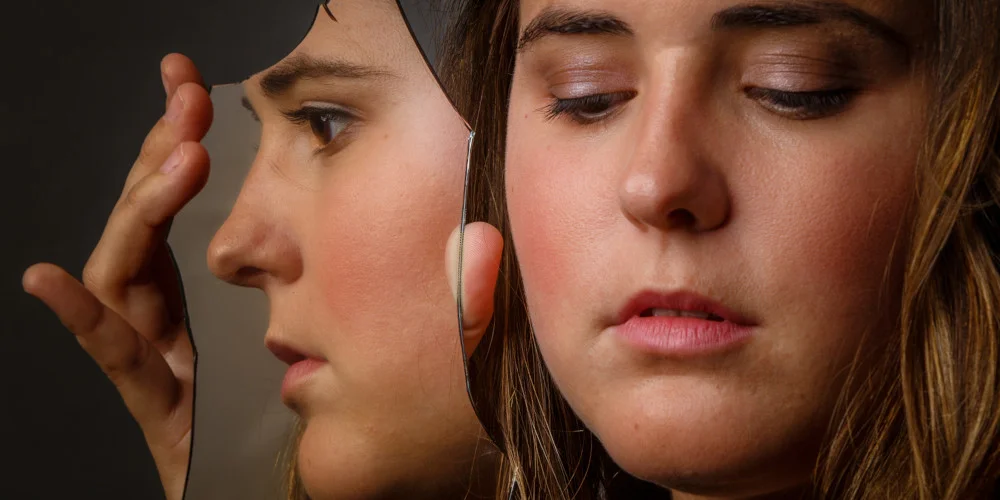
The Strange Skill of Looking Fine While Falling Apart
Masking is not resilience. It’s camouflage. The longer people lean on it, the more disconnected they become from their own wellbeing. The world sees a functioning adult, but inside there’s panic, exhaustion, or emotional emptiness. That disconnect is dangerous because it delays professional treatment until symptoms escalate beyond control.
How Masking Protects You Until It Turns Against You
Masking starts as protection. It prevents people from being judged by communities that equate emotional struggle with weakness. It helps them keep their jobs and families while they try to maintain some kind of normality. It allows them to feel in control even when they’re not. But over time, masking becomes a trap. The more someone hides their symptoms, the more pressure builds behind the mask.
Masking Makes Mental Illness Look Invisible
One of the biggest challenges psychiatric professionals face in South Africa is that the people who need support the most often look like the ones coping the best. They’re high achievers, hyper-competent individuals, parents who manage everything, employees who never slip, students who overperform, caregivers who never say no. They’re the “strong ones” in their families, the ones everyone goes to for help. Because people trust their competence, no one notices their deterioration until the cracks become impossible to hide.
Why High-Functioning People Avoid Help
The people who keep everything together are often the last to reach out for psychiatric support because they believe they should be able to manage alone. They think needing help will shatter their image of being strong or capable. They fear judgement from their families, employers, and communities. They worry about disrupting the lives they’ve built. They convince themselves they’re fine because admitting otherwise feels like losing control. High-functioning individuals often say things like, “I’m just tired,” “It’s only stress,” or “I’ll get through it.” They believe that if they can still perform, they don’t need medical help. But performing is not the same as being well. It is possible to run an entire household while clinically depressed. It is possible to deliver exceptional work while having panic attacks every night. It is possible to look stable while living in emotional chaos.
Masking in South Africa Is Fuelled by Cultural Expectations
South Africans don’t like emotional transparency. They like things to look neat. They like people to seem fine. They prefer strength to vulnerability. From a young age, people are told to “be strong,” “stop overreacting,” “get over it,” “toughen up,” and “pull yourself together.” Families reward stoicism and punish emotional expression. Workplaces glorify productivity and penalise burnout. Communities gossip about anyone who appears unstable.
Because of this, mental health struggles are hidden behind jokes, sarcasm, overworking, humour, perfectionism, achievements, and silence. South Africans become experts at hiding symptoms because they fear being misunderstood or dismissed. In this environment, masking becomes normal, even expected.
What Masking Does to the Body
Maintaining a mask is not just emotionally exhausting, it is physically harmful. The body pays the price for the psychological performance. Cortisol spikes from constant strain, sleep becomes shallow or disrupted, appetite fluctuates dramatically, concentration collapses under pressure, and the immune system weakens. Over time, the body cannot keep compensating for the emotional load. This is why many high-functioning individuals eventually crash into burnout, panic disorder, severe depression, or physical illness. Their bodies become the truth-tellers they refused to be. Masking tricks the mind into believing it can handle anything, but the body eventually exposes the lie.
Families and Colleagues Miss the Signs
People assume mental illness looks dramatic. They expect someone to break down, cry uncontrollably, or show obvious distress. But real psychiatric decline is often quiet. It looks like irritability, emotional numbness, withdrawal from loved ones, loss of humour, overworking, substance use, disrupted sleeping patterns, eating changes, or a sudden loss of interest in things that previously mattered.
When People Finally Break
Everyone who masks eventually hits a point where holding everything together becomes impossible. It may be triggered by an emotional shock, trauma, relationship breakdown, work stress, financial pressure, or nothing at all. Sometimes the collapse happens quietly. The person withdraws, stops communicating, loses motivation, or becomes overwhelmed by emotion they can no longer suppress. Other times it is dramatic, panic attacks, outbursts, sudden resignation, self-harm, or suicidal ideation. Unmasking is not weakness. It is the moment the brain stops allowing the person to pretend.
The Psychiatric Assessment They Should Have Had Years Earlier
When someone finally sees a psychiatrist, they often express disbelief. They realise their symptoms didn’t appear out of nowhere, they were building up slowly behind the mask. A proper psychiatric evaluation is not about labels, it is about clarity. It helps people understand the true nature of their symptoms, the triggers that shaped them, and the treatment that can stabilise them. Many individuals feel relief rather than fear when they get a diagnosis. For the first time, they understand the patterns that have shaped their behaviour and emotions for years. Masking prevented them from seeking help earlier, but the assessment gives them the direction they’ve been missing.
When the Mask Comes Off
Healing begins when people drop the façade. It doesn’t require collapsing, it requires honesty. People get better when they stop pretending to be fine and start giving their symptoms the attention they deserve. Psychiatric support gives them the tools to stabilise, the treatment to regulate their brain, and the clarity to rebuild without pressure. Families who support openly, not performatively, create environments where individuals can be vulnerable without fear. Unmasking is not about becoming weak. It is about becoming authentic enough to get real help.
A New Definition of Strength