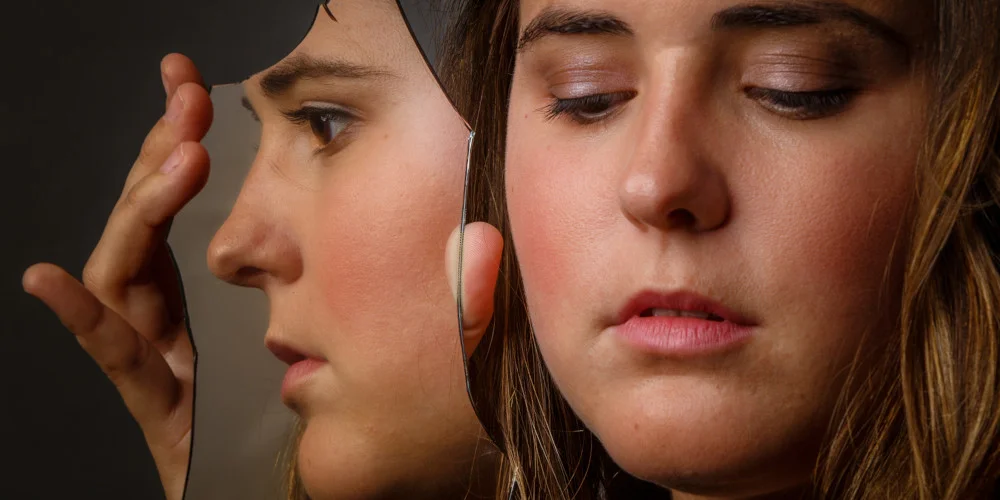
The Weight of Shame That Keeps People Out of Treatment
Stigma remains one of South Africa’s most damaging public health issues. People avoid psychiatric care not because they don’t need it, but because they fear being labelled. They worry about what their families will think, what their colleagues will assume, and how they’ll be judged by friends or communities. This fear keeps them locked in silence even when their symptoms are severe.
Stigma doesn’t just prevent people from seeking help. It prolongs illness, worsens symptoms, damages families, and increases the risk of crises. Shame is a powerful barrier, and it shapes how people understand mental health. Many still believe psychiatric conditions are a sign of weakness, failure, or instability rather than medical conditions that respond well to proper treatment.
Stigma Starts at Home
Families often create the first mental health stigma a person encounters. They respond to symptoms with minimising statements, moral judgement, or irritation instead of concern. They tell the person they are being dramatic, emotional, or lazy. They assume the problem is behavioural rather than medical. They offer advice instead of support, pressure instead of patience.
When families react this way, the person internalises shame. They avoid talking about their symptoms because they don’t want to be dismissed again. They hide their decline because they’ve already been taught that expressing emotional struggle is a burden.
Stigma grows quietly through these small, daily interactions.
Cultural Expectations Complicate Psychiatric Care
South Africans are raised to be strong, reliable, and emotionally contained. They are taught to avoid vulnerability, to push through difficulty, to be the “strong one” in the family. These expectations make it difficult for people to admit they are struggling, even to themselves. Instead of seeing psychiatric symptoms as medical, they see them as personal failures.
Culture shapes behaviour. It shapes how people interpret sadness, anger, anxiety, trauma, and mood instability. It shapes whether they seek psychiatric help or hide behind stoicism. It shapes whether families support openly or shame silently. Because culture discourages vulnerability, psychiatric symptoms often escalate before anyone takes them seriously.
The Cost of Keeping Up Appearances
But the cost of maintaining this social façade is high. It drains energy, increases anxiety, and worsens depression. The longer people hide, the more severe their symptoms become. Stigma may keep them socially acceptable, but it also keeps them sick.
Religious Misunderstandings Add Another Layer of Shame
Many South Africans come from faith-heavy environments where mental illness is sometimes misunderstood. People are told they lack faith, that their condition is spiritual weakness, or that they need prayer instead of psychiatric care. While faith can be deeply healing, it cannot replace medical treatment when someone has a psychiatric disorder.
Telling someone to “pray harder” when they have clinical depression or psychosis is like telling someone with a broken leg to “walk it off”. These messages reinforce shame and prevent people from seeking proper care that could stabilise them.
A psychiatrist is not the enemy of faith. They are part of the healing process.
Workplace Stigma Forces People Into Silence
Many South Africans fear losing their jobs or being seen as unreliable if they disclose mental health struggles. Because of this, employees hide symptoms from their managers. They work through panic attacks. They attend meetings in dissociated states. They show up exhausted, burnt out, and emotionally unavailable because they are terrified of being judged.
This culture of silence not only harms the person, it harms the entire organisation. Employees without support will eventually crash, and that crash costs the company far more than early treatment ever would.
Companies need to understand that mental health support is not a weakness, it is an investment in stability and productivity.
Psychiatric Labels Are Not Death Sentences
Many people avoid psychiatrists because they fear receiving a diagnosis. They think it will define them permanently, limit their opportunities, or turn them into someone society fears. These beliefs come from stigma, not reality. Psychiatric diagnoses are tools. They help clinicians understand symptoms and create effective treatment plans. They are not punishments. They are not sentences. They are not identities.
People who receive a diagnosis often feel relieved because they finally have an explanation for their experience. They gain clarity rather than confusion. They gain direction rather than judgment.
Medication Stigma Keeps People Stuck
One of the biggest misunderstandings is the belief that psychiatric medication is dangerous, addictive, personality-altering, or lifelong. These beliefs keep many people from accepting treatment that could transform their functioning.
How Stigma Keeps People Sick
Stigma creates silence. Silence creates suffering. Suffering creates crises. People stay stuck longer than they need to because they avoid the one thing that could change everything, psychiatric support. Stigma delays diagnosis, complicates treatment, increases relapse, and damages relationships. It keeps the country emotionally numb and chronically exhausted.
South Africa is full of people who could stabilise quickly if stigma didn’t stop them from seeking help.
The Only Way to Break Stigma Is to Tell the Truth
Honest conversations are the antidote to shame. Families need to talk about mental health openly instead of quietly judging from the sidelines. Communities need to normalise psychiatric care instead of demonising it. Workplaces need to provide support without questioning reliability. People need to understand that mental health conditions are medical, treatable, and far more common than most admit.
Psychiatric care doesn’t turn people into “patients”. It turns them into individuals who are finally receiving the support they should have had years ago.
South Africa Has a Choice
The country can continue feeding stigma and pretending mental illness is rare, dramatic, or shameful. Or it can take responsibility for creating a culture where psychiatric care is normal, accessible, and respected, just like any other form of medical care. The truth is simple, people heal when shame is removed from the equation. Stigma keeps people sick. Support helps them stabilise. Psychiatric care is not the enemy. Shame is.